







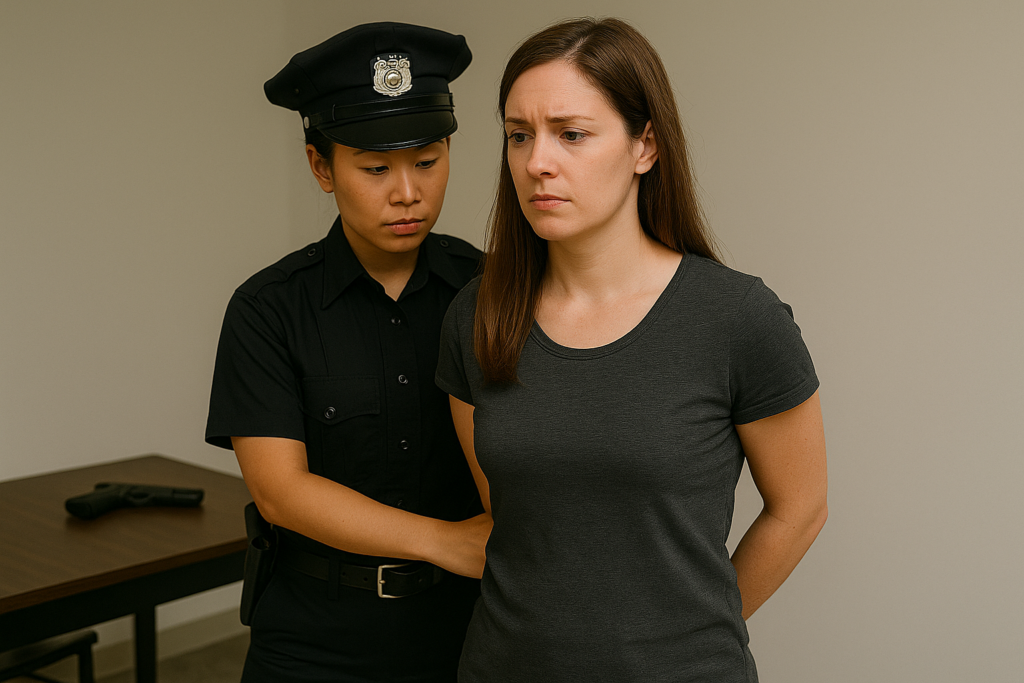
*This image was generated using AI for illustrative purposes only.Request Consultation
What really happens when you are arrested for a gun offense in Lehigh County is a sudden, aggressive shift in how the justice system treats you. Even if you have a clean record and simply made an honest mistake, law enforcement views illegal firearms possession as a severe threat. For people in Pennsylvania facing criminal charges or who have been arrested and in need of legal defense, a gun charge carries the very real risk of state prison time and the permanent loss of your Second Amendment rights.
At SKA Law Group, we understand why I believe Lehigh County defendants need a local gun charge attorney, not a generalist. The laws surrounding firearms are highly technical, constantly changing, and aggressively prosecuted. We know how to dismantle illegal search and seizure tactics, challenge constructive possession, and fight to keep you out of prison.
How Pennsylvania’s Uniform Firearms Act Applies to Lehigh County Charges
Most gun crimes in Pennsylvania fall under the Uniform Firearms Act (UFA). This complex set of laws dictates who can own a gun, how it must be carried, and what happens when the rules are broken. Common myths about Pennsylvania gun laws that get people arrested in Lehigh County often involve misunderstandings of these specific UFA statutes.
Carrying a Firearm Without a License (§ 6106)
In Pennsylvania, you can open carry without a license, but you must have a valid License to Carry Firearms (LTCF) to carry a concealed weapon or to have a loaded handgun in your vehicle. If you are eligible for an LTCF but simply didn’t have one, this is a first-degree misdemeanor. If you are ineligible for an LTCF, the charge becomes a third-degree felony.
Persons Not to Possess Firearms (§ 6105)
If you have a prior felony conviction, certain misdemeanor convictions (like domestic violence), or an active Protection From Abuse (PFA) order against you, you are legally prohibited from possessing a firearm. Violating this law is a second-degree felony, punishable by up to 10 years in prison.
Altered or Obliterated Serial Numbers (§ 6110.2)
Possessing a firearm with a removed or altered serial number is a second-degree felony. The law does not care whether you were the one who scratched the number off; simply possessing the weapon is enough to trigger the charge.
Penalties: Misdemeanor vs. Felony Firearms Charges
What is the difference between a misdemeanor and felony firearms charge in Pennsylvania? It comes down to your criminal history and how the gun was being carried. What are the penalties for firearms offenses in Lehigh County, Pennsylvania?
- First-Degree Misdemeanor (M1): Up to 5 years in prison and a $10,000 fine. (Example: Concealed carry without a license by an eligible person).
- Third-Degree Felony (F3): Up to 7 years in prison and a $15,000 fine. (Example: Illegal sale or transfer of a firearm).
- Second-Degree Felony (F2): Up to 10 years in prison and a $25,000 fine. (Example: Possession by a prohibited person).
Why Lehigh County prosecutors aggressively pursue firearms charges even for first-time offenders comes down to public safety initiatives. Lehigh County firearms offense conviction rates and prosecution statistics show a zero-tolerance approach to illegal guns in Allentown and Bethlehem.
How to Fight an Illegal Firearms Possession Charge in Lehigh County
My honest take on how Lehigh County courts treat firearms cases differently than other counties is that they rely heavily on aggressive police tactics during traffic stops. This is exactly where we attack the prosecution’s case.
There are surprising ways a Lehigh County firearms charge can be dismissed that most people don’t know. Our Lehigh County gun charge defense attorney success rates and case outcomes are built on these strategies:
- Filing a Motion to Suppress: If the police pulled you over without reasonable suspicion or searched your vehicle without probable cause or a warrant, the gun they found is “fruit of the poisonous tree.” If the judge agrees, the gun is suppressed as evidence, and the case is usually dismissed.
- Challenging Constructive Possession: If a gun is found under the passenger seat of a car with three people in it, who does it belong to? The prosecution must prove you knew the gun was there and had the intent to control it. Mere proximity is not enough for a conviction.
- Proving Statutory Exemptions: We thoroughly research UFA exemptions, such as transporting an unloaded firearm directly to a shooting range or repair shop.
What to Expect at Your Lehigh County Firearms Arraignment
What happens at a Lehigh County firearms arraignment and what should I expect? This is your first appearance before a Magisterial District Judge. The judge will read the charges against you and set bail. Because gun charges involve public safety, bail is often set extremely high. Having a defense attorney present at your arraignment is critical to arguing for reduced bail or release on your own recognizance (ROR).
How to choose a criminal defense lawyer for a gun charge in Allentown, Pennsylvania? You need someone who understands the highly technical nature of the Uniform Firearms Act. Why hiring the cheapest gun charge lawyer in Lehigh County is a decision you will regret is simple: inexperienced lawyers often push clients into quick plea deals that result in permanent felony records and the loss of gun rights, rather than doing the hard work of filing suppression motions.
Protect Your Rights and Your Freedom
A firearms conviction will change your life forever. Do not face the Lehigh County District Attorney alone. Contact SKA Law Group today for an aggressive, strategic defense.
Frequently Asked Questions
Q: What are the penalties for firearms offenses in Lehigh County, Pennsylvania?
A: Penalties depend on the specific charge. Carrying a concealed weapon without a license can be a first-degree misdemeanor (up to 5 years in prison). Possession by a prohibited person is a second-degree felony, punishable by up to 10 years in prison and a $25,000 fine.
Q: How does Pennsylvania’s Uniform Firearms Act apply to Lehigh County charges?
A: The UFA governs all gun laws in the state. It dictates who is prohibited from owning a gun, requires a License to Carry Firearms (LTCF) for concealed carry or carrying in a vehicle, and criminalizes the possession of firearms with altered serial numbers.
Q: How can I fight an illegal firearms possession charge in Lehigh County?
A: The most effective way is by filing a Motion to Suppress. If the police violated your Fourth Amendment rights during a traffic stop or search, the gun cannot be used as evidence. We also aggressively challenge “constructive possession” if the gun was found in a shared space.
Q: What is the difference between a misdemeanor and felony firearms charge in Pennsylvania?
A: It often depends on your criminal history. If you are legally eligible to own a gun but carry it concealed without a license, it is a misdemeanor. If you have a prior felony conviction or an active PFA and are caught with a gun, it is a felony.
Q: What happens at a Lehigh County firearms arraignment and what should I expect?
A: At your preliminary arraignment, the judge will officially read your charges and set your bail. Because gun charges are treated as violent crimes, bail can be set very high. An attorney can argue for a lower bail amount.
Q: Why do Lehigh County prosecutors aggressively pursue firearms charges even for first-time offenders?
A: Prosecutors in Allentown and Bethlehem view illegal firearms as a major public safety threat. They use aggressive prosecution and high conviction rates as a deterrent to gun violence, meaning they rarely offer leniency without a tough legal fight.